Why Combining Interventional Pain Management with Physical Therapy Can Improve Your Recovery
Nov 13, 2026
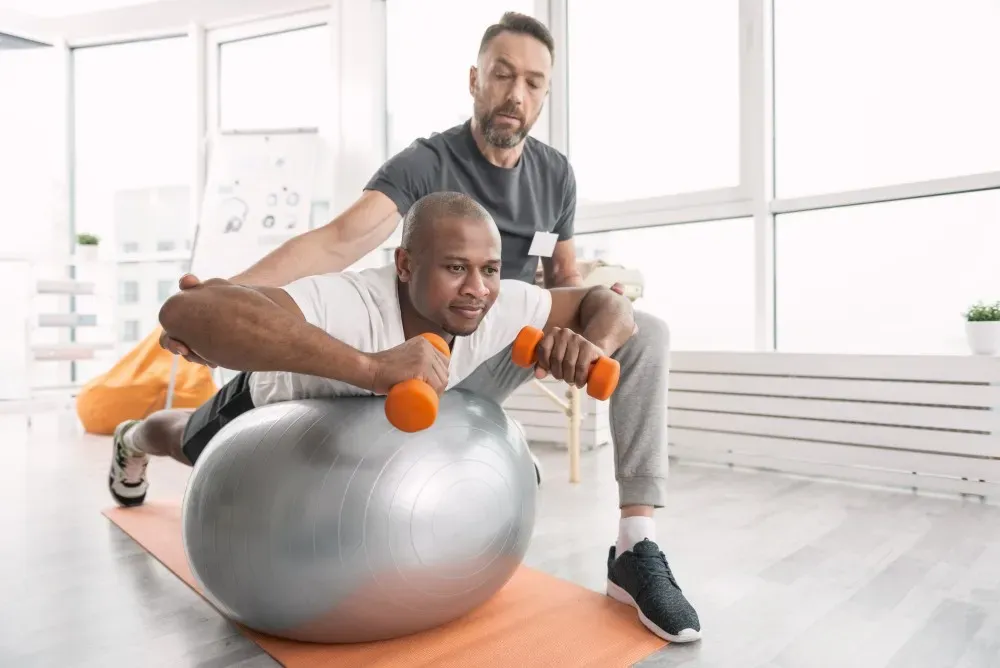
Chronic pain and injuries create a frustrating cycle. Pain makes movement difficult, reduced activity weakens muscles, and increasing stiffness makes everyday tasks even more uncomfortable.
While medications or physical therapy alone may provide relief, combining targeted pain management treatments with rehabilitation can offer a more comprehensive recovery strategy.
Coastal Spine & Sports Medicine, PLLC, in Wilmington, North Carolina, specializes in diagnosing and treating musculoskeletal conditions, spinal disorders, and chronic pain with minimally invasive, nonsurgical therapies.
Through personalized treatment plans that incorporate interventional pain management and rehabilitative care, Dr. Francis S. Pecoraro and our team help people reduce discomfort, restore mobility, and return to their daily activities with greater ease and confidence.
Interventional pain management focuses on identifying and treating specific sources of pain using minimally invasive procedures. Rather than relying exclusively on oral medications, these treatments target affected joints, nerves, and surrounding tissues.
Depending on your underlying condition, treatment options may include:
Our nonsurgical procedures may provide meaningful pain relief, allowing you to participate more comfortably in physical rehabilitation.
While interventional treatments focus on reducing pain, physical therapy addresses the movement limitations and functional problems that often accompany chronic pain.
A personalized physical therapy program incorporates strengthening exercises, stretching, balance training, and techniques to improve your posture and body mechanics.
These approaches help rebuild muscle support around vulnerable joints, increase flexibility, and improve your ability to perform everyday activities.
Physical therapy also teaches you how to move safely and manage physical demands, potentially reducing the likelihood of recurring injuries or worsening symptoms.
Severe discomfort can prevent people from participating fully in therapeutic exercises. Targeted injections or other interventions may reduce symptoms enough to make stretching, strengthening, and movement training more tolerable.
Other benefits of a targeted treatment plan include:
Pain relief alone doesn't necessarily correct muscle imbalances, limited flexibility, or poor movement patterns. Physical therapy helps address these contributing factors, supporting better function after the immediate benefits of an intervention diminish.
People experiencing chronic pain sometimes avoid activities because they fear aggravating their symptoms. Combining symptom relief with guided rehabilitation can help you gradually rebuild confidence in your physical abilities.
A comprehensive treatment plan allows your provider to adjust pain management strategies as your strength and mobility improve. This coordinated approach may reduce your dependence on repeated interventions while encouraging greater independence.
People experiencing chronic back or neck pain, sciatica, arthritis, sports injuries, and certain joint conditions may benefit from incorporating both approaches into their recovery plans.
However, Dr. Pecoraro’s treatment recommendations depend on your diagnosis, symptom severity, and individual health needs. Not everyone requires an interventional procedure, and physical therapy may be enough for some conditions.
Recovering from persistent pain involves more than temporarily reducing discomfort. Restoring strength, flexibility, and confidence in movement is equally important for long-term improvement.
Our individualized pain management strategies help people address their symptoms while working toward improved physical function.
Call Coastal Spine & Sports Medicine today to schedule a consultation or book an appointment online to learn how a comprehensive treatment plan can help you reclaim your active lifestyle.